



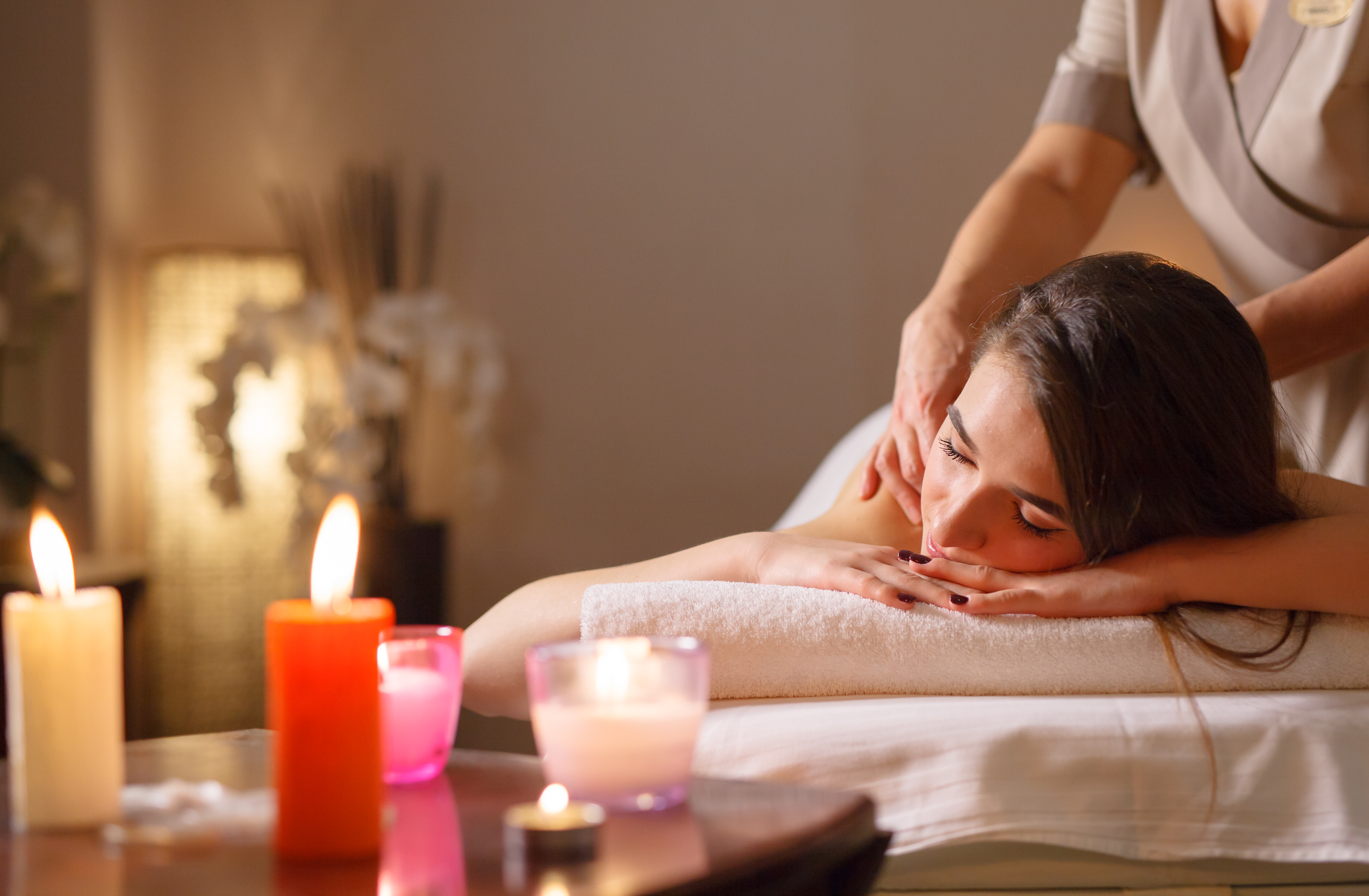
Massage therapy offers emotional healing benefits that go far beyond simple relaxation. Even a short 10 to 15 minute massage can create noticeable physical and psychological changes. This strong mind body connection explains why so many people worldwide now turn to home massage for better health and emotional balance.
Many people view massage as a physical treatment, but its emotional impact is just as powerful. During a one hour session, the body naturally increases serotonin and reduces cortisol, creating a strong foundation for emotional recovery. Studies show that massage can lower cortisol by more than 30 percent while raising serotonin and dopamine levels. Techniques like aromatherapy massage, deep tissue massage, and hot stone massage can all support emotional wellbeing in different ways.
In the UAE, where fast paced routines and long work hours are common, massage therapy offers a calming space to release stress and reconnect with yourself. It helps reduce anxiety, ease irritability, and improve sleep quality. Understanding how therapeutic touch supports emotional healing can be the first step toward restoring balance, especially if you have been dealing with emotional pressure or ongoing stress.
The Mind-Body Connection in Massage Therapy
Our physical and emotional states maintain constant communication. This deep connection between mind and body explains why stress affects more than just our thoughts—it changes our physical state too.
How Emotional Stress Demonstrates Physically
The body activates the sympathetic nervous system the moment we feel stress. This triggers our "fight-or-flight" response. Our bloodstream receives stress hormones like cortisol and adrenaline. These hormones create measurable physical changes: faster heart rate, higher blood pressure, and tight muscles.
The physical impact becomes more severe with chronic stress that lasts weeks or months. This extended stress response shows up as muscle tension, headaches, digestive issues, and weaker immune function. It also leads to physical symptoms like chest pain, exhaustion, and trouble sleeping.
Why Massage Addresses both Body and Mind
Massage therapy targets this mind-body connection through deliberate touch. Physical muscle manipulation during a session does more than release tension, it alters your brain chemistry. Studies show massage therapy boosts your endorphin levels, the natural painkillers that make you feel good.
The therapy also affects neurotransmitter production by increasing serotonin and dopamine, chemicals that improve mood and reduce irritability. This chemical change creates a significant effect: emotional stress decreases as physical tension melts away.
How Massage Therapy Creates Emotional Safety
Creating a healing sanctuary demands more than skilled hands. Massage therapy's emotional healing environment must encourage safety at every level—physical, emotional, and psychological.
The Importance of Therapeutic Touch
Therapeutic touch serves as the foundation of massage's healing potential. Studies show that even brief 10-minute sessions can substantially reduce stress levels. Research indicates that touch activates the brain's orbitofrontal cortex—the area associated with feelings of reward and compassion. This physiological response explains why preterm newborns who received just three 15-minute touch therapy sessions daily gained 47% more weight than those receiving standard care alone.
Creating a Non-judgmental Space
Skilled therapists craft environments where clients can express emotions without fear of judgment or abandonment. Note that this involves creating semi-permeable boundaries where clients know their therapist remains approachable yet maintains a safe emotional distance. Client autonomy throughout sessions helps ease any apprehension around the inherent power differential. Therapists watch carefully for signs of emotional release, such as body rigidity, breath holding, or tearing up.
The Therapist-Client Relationship and Trust
Trust is the life-blood of massage therapy for emotional healing. Research shows that trust stands as maybe even the most crucial ingredient for happy, well-functioning relationships. This trust develops gradually through consistent sessions with the same practitioner in therapeutic settings. Successful therapists demonstrate empathy, respect, genuineness, and unconditional positive regard. These qualities create what professionals call a "therapeutic container"—a safe emotional, mental, and spiritual space that needs consent from both client and therapist. This shared relationship creates profound opportunities for emotional healing beyond physical relief.
Massage Techniques that Support Emotional Healing
Each massage type offers a unique way to heal emotions. These methods work through specific ways to release stored feelings and help you feel better.
Reflexology and the Nervous System
Reflexology targets specific pressure points on your feet that connect to different body parts and systems. Studies show that reflexology sessions can lower systolic blood pressure by 22% and diastolic blood pressure by 26% during mental stress. When these reflex points are activated, signals travel through sensory nerves to your brain's processing centers. This can help your body move from sympathetic to parasympathetic nervous system dominance.
Aromatherapy Massage for Mood Regulation
Essential oils combined with massage techniques help improve psychological well-being. Research shows that oils like lavender and chamomile trigger the limbic system that controls emotions. This promotes peace and emotional balance. Your skin absorbs these volatile components, which help reduce anxiety and fatigue while providing sedation.
Deep Tissue Massage for Stored Tension
Deep tissue massage uses slow, deep strokes to reach inner layers of muscles and connective tissues. It does more than just provide physical relief—it helps release chronic tension where emotions might be stored. This technique works as well as nonsteroidal anti-inflammatory drugs in reducing pain.
Craniosacral Therapy and Emotional Release
Craniosacral therapy uses gentle, hands-on techniques to release tension in your body's fascia-the connective tissue network that holds your organs, glands, and muscles. This gentle method helps release emotional energy from past traumas stored in body tissues.
Hot Stone Massage for Calming the Body
Hot stone massage uses smooth, heated basalt stones (130-145 degrees) placed on specific body parts. The heat goes deep into your tissues and helps your body relax instead of stress. This can lower your cortisol levels while boosting endorphin production, which reduces stress.
Thai Massage and Energy Flow
Thai massage combines yoga-like stretches with pressure techniques along energy pathways called Sen lines. This method not only eases muscle tension but also balances your body's energy systems. The improved energy flow promotes both physical release and emotional well-being.
Massage Therapy for Trauma and Long-Term Stress
Trauma deeply affects our mind and body. It changes our physical being well beyond the initial triggering event. Scientists have discovered these effects go beyond psychology and fundamentally alter our biology.
Understanding Emotional Trauma in the Body
The body stores trauma beyond just memories. It lives in somatic memory and shows up through biological stress responses. People with PTSD demonstrate several physical symptoms:
- Muscle tension, mostly around the neck, shoulders, and back
- Chronic pain and gastrointestinal problems
- Sleep problems from heightened watchfulness
Your body "remembers" trauma even when your conscious mind doesn't. Overwhelming experiences can disrupt the autonomic nervous system. This disruption leaves it stuck between two states - hyperarousal (constant alertness) or hypoarousal (numbness, dissociation).
Massage Therapy for Emotional Trauma Recovery
Massage therapy tackles these physical changes head-on. Research shows impressive results - one case study revealed a 53.7% drop in dissociation scores after 10 massage sessions over 12 weeks. The therapy activates your body's natural relaxation response through the parasympathetic nervous system.
This physical change creates measurable differences in body chemistry. Cortisol levels drop while serotonin and dopamine increase. Massage helps survivors reconnect with their bodies in a safe, controlled space.
Supporting PTSD and Chronic Stress Conditions
Massage works best alongside traditional PTSD treatments rather than replacing them. Military service members showed notable improvements in their condition. Their headaches, anxiety, and pain decreased after just two light-touch manual therapy sessions.
The right technique choice matters greatly. Craniosacral therapy works well because it uses gentle, non-invasive movements. Safety remains the top priority - clients don't need to share details about their trauma with massage therapists.
Conclusion
Massage therapy offers more than physical relaxation. It supports emotional healing by lowering cortisol and increasing serotonin and dopamine. These changes help you reconnect with your body, especially after stress or emotional trauma. Stress often appears as muscle tension, headaches, or low energy. Massage helps release these symptoms while also easing the emotional load behind them. Skilled therapists create a safe and calm space where clients can express their feelings and experience deeper emotional release.
Different techniques like reflexology, hot stone therapy, and aromatherapy each support emotional balance in their own way. While massage is not a replacement for medical treatment, it is a strong supportive tool for anyone dealing with stress or trauma.
If you prefer relaxing at home, Ruhee Beauty Concierge offers home massage services across Dubai that help ease pain, lower stress, and bring calm back into your day. Their therapists come to you, making self care simple even with a busy routine. They also provide sports, couple, maderotherapy, prenatal, and deep tissue massages at home. You can explore more details on their website.
When you book your next session, remember that massage supports more than physical comfort. It helps release emotional tension and restores overall balance.
FAQs
Q1. How does massage therapy contribute to emotional healing?
Massage therapy promotes emotional healing by activating the parasympathetic nervous system, reducing stress hormones like cortisol, and increasing feel-good neurotransmitters such as serotonin and dopamine. This biochemical shift creates a foundation for emotional well-being that goes beyond physical relaxation.
Q2. What massage techniques are particularly effective for emotional release?
Several techniques support emotional healing. Craniosacral therapy helps release stored trauma from body tissues, reflexology calms the nervous system through specific pressure points, and aromatherapy massage enhances mood regulation. Hot stone massage and Thai massage can also be beneficial for reducing stress and improving energy flow.
Q3. Can massage therapy help with trauma recovery?
Yes, massage therapy can be a valuable complementary approach for trauma recovery. It helps trauma survivors reconnect with their bodies in a safe, controlled environment. Massage activates the body's natural relaxation response, which can help reduce symptoms associated with PTSD and chronic stress conditions.
Q4. How important is the therapist-client relationship in massage therapy?
The therapist-client relationship is crucial in massage therapy, especially for emotional healing. Trust forms the cornerstone of effective therapy. Skilled therapists create a non-judgmental space where clients feel safe to express emotions. This therapeutic container allows for deeper emotional release and healing over time.
Q5. What should I consider when preparing for a massage therapy session?
When preparing for a massage therapy session, consider communicating any specific concerns or areas you want addressed. Be prepared to answer questions about your health history and current conditions. It's also helpful to arrive in a calm state and be open to the experience. Remember, you have control over the session and can communicate your comfort level at any time.