



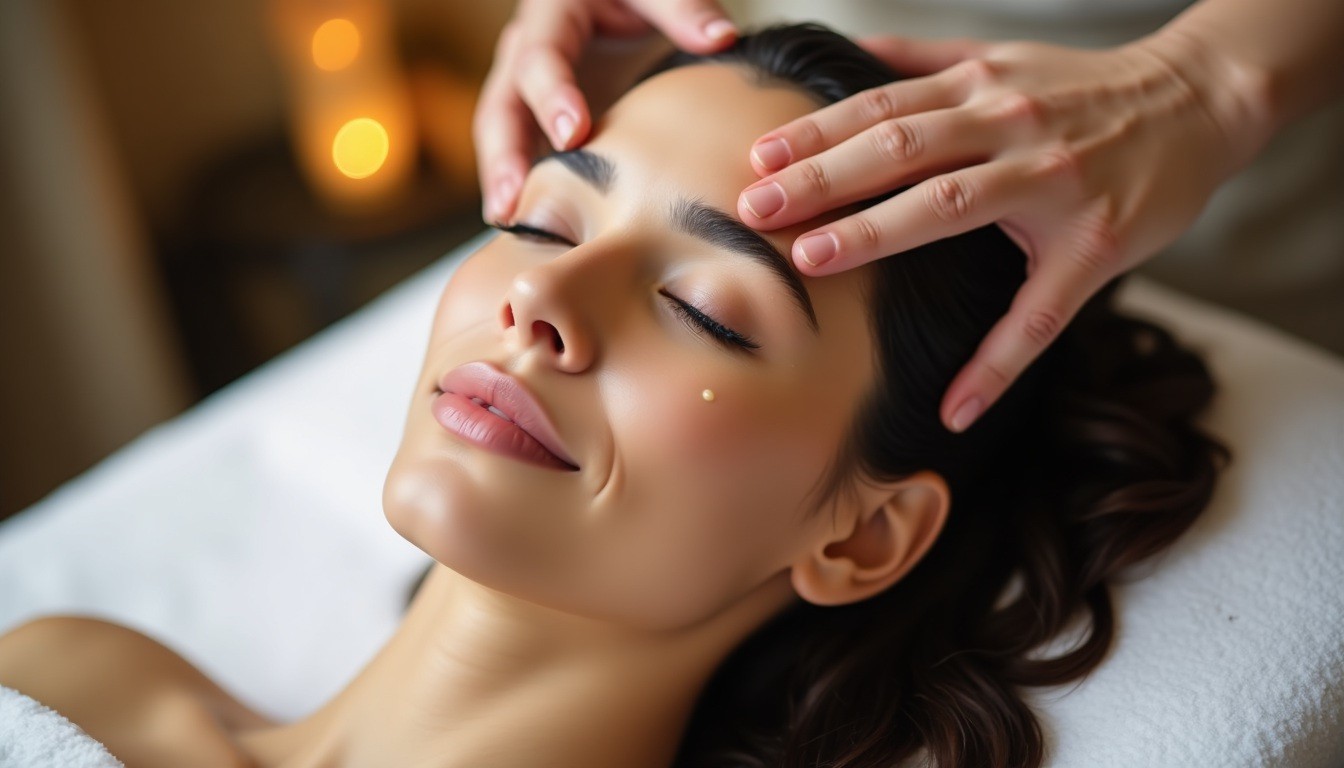
A clinical study showed impressive results in nine healthy men. Their hair thickness grew from 0.085mm to 0.092mm after 24 weeks of regular head massages. A 2019 survey with 340 people found that 69% saw improvements in their hair loss when they massaged their scalp twice daily.
Head massage benefits go way beyond the reach and influence of hair growth alone. Research proves that scalp massages can boost blood circulation and oxygen delivery to hair follicles while lowering the body's cortisol levels. Regular scalp massages make topical hair treatments more effective. They also help reduce stress and headaches while improving brain function.
This detailed piece reveals the science-backed benefits of head massage. The focus spans from its effect on hair growth to mental wellness, along with practical techniques that deliver the best results.
The Science Behind Head Massage Benefits
A head massage offers more than just comfort - it triggers fascinating body mechanisms that bring numerous health benefits. Scientists have found specific processes that make head massages work for both physical and mental well-being. Let's get into the science that makes this simple practice so powerful.
How pressure points affect your nervous system
Your head massage works by triggering various receptors at sensory nerve endings throughout the scalp. These signals move through the spinal cord to the diencephalon and end up reaching the cerebral cortex. The brain registers them as feelings of pressure, comfort, and warmth. This complex process explains why a head massage feels good for both body and mind.
Your autonomic nervous system shows the most notable response. Research shows that head massage substantially increases parasympathetic nerve activity—your body's "rest and digest" system. This creates a balance against the sympathetic "fight or flight" response that takes over during stress.
Specific pressure points do more than feel good - they create measurable changes in body function. Scientists have found several key points that help relieve headaches. These include the "third eye" point between the eyebrows, the "Tai Yang" points at the temples, and the "Feng Chi" points at the skull's base. These points work by easing tension in head and neck areas, which breaks pain pathways.
Clinical research shows that head massage lowers both systolic and diastolic blood pressure after just 15 minutes. This likely happens because hormone levels stabilize and parasympathetic nerves become more active. Many people feel deeply relaxed during and after their head massage for this reason.
The connection between scalp stimulation and blood flow
Blood flow boost stands as a vital mechanism behind head massage benefits. Clinical tests show that proper scalp massage techniques can increase blood flow by 120% compared to normal levels. These effects last more than 20 minutes after one treatment. Better circulation helps essential nutrients and oxygen reach hair follicles more efficiently.
Different massage techniques give different results. Research shows the "pressing" method boosts scalp blood flow better than friction or kneading. This difference matters especially for people seeking hair growth benefits.
Regular scalp stimulation creates a chain of positive effects. Better circulation opens blood vessels, which lets more oxygen and nutrients reach hair follicles. It also boosts metabolism in the papillae at hair follicles' base. The improved blood flow helps remove waste products from follicles more efficiently, creating perfect conditions for hair growth.
Blood flow's impact on hair health goes even further. Studies show good circulation helps maintain a longer anagen (growth) phase of the hair cycle. Poor blood flow can lead to inadequate follicle nutrition, which shortens growth phases and results in shorter, more brittle hair.
How Head Massage Reduces Stress and Anxiety
Life today bombards us with stress. Natural relaxation methods have become more valuable than ever. Head massage stands out among these techniques because it reduces stress and anxiety through proven scientific mechanisms. Research shows that even short sessions can bring substantial benefits to your mind and body.
The physiological stress response to touch therapy
Your body responds almost immediately when skilled hands apply pressure to your scalp. Research shows that heart rate drops substantially within 5 minutes of touch massage. This quick change happens because head massage stimulates nerve endings throughout your scalp that send signals to your brain's emotional centers.
Head massage affects your nervous system in unique ways. Studies show that touch therapy reduces "fight-or-flight" response while keeping autonomic balance. This change activates your "rest and digest" mode, which creates perfect conditions for relaxation.
Touch creates a powerful connection between people. Research shows that touch makes up about 70% of communication between parents and babies. This deep connection to comfort and security might explain why people of all ages find head massage so soothing.
Impact on cortisol levels and blood pressure
Head massage shows remarkable results in reducing stress hormone levels. Clinical studies consistently reveal that massage therapy lowers salivary cortisol—your body's main stress hormone—after just one session. Research also shows notable drops in norepinephrine levels after scalp massage.
Blood pressure improvements are just as impressive. A study of female office workers showed major reductions in both systolic and diastolic blood pressure after 15 minutes of scalp massage. These improvements come from increased blood circulation that relaxes neck muscles and blood vessels.
Session length matters, but even quick massages help. Studies comparing 15-minute and 25-minute scalp massages found both reduced stress hormones and blood pressure. The longer sessions showed slightly better results. This means you can get benefits even from short sessions when time runs short.
Mental relaxation and improved sleep quality
Head massage helps your mental well-being and sleep quality beyond physical measurements. Massage boosts serotonin production—a crucial mood-regulating brain chemical—that creates happiness and well-being. This natural mood boost helps fight anxiety and stress.
Sleep problems often come with high stress, creating a difficult cycle. Head massage breaks this pattern by helping you relax before bed. Rhythmic movements and pressure make it easier to transition from daily activities to rest. Regular sessions might increase melatonin—your sleep hormone—helping you fall asleep faster and stay asleep longer.
The practice clears your mind by releasing tension in your scalp and neck. Mental clarity improves as physical tension melts away. Many people notice better concentration and focus after regular head massage sessions.
Head massage offers a practical solution to manage stress naturally without space or time restrictions. Even self-massage can trigger relaxation, helping you handle stress when social support runs low. These benefits make head massage especially valuable in today's ever-changing world.
Head Massage Benefits for Brain Health
Head massage does more than just help you relax. Research shows it can improve brain function in several ways. Your cognitive performance, memory, and pain management get better when you stimulate specific areas of the brain through scalp massage.
Cognitive function improvements
Studies have clearly shown how head massage makes your brain work better. People who received mechanical massage with binaural beats (often called "brain massage") showed substantial improvements in their attention span compared to those who just rested. Their focus got better and mental fatigue decreased, which suggests that head massage clears cognitive pathways and makes neural networks more efficient.
Your brain works better because head massage boosts blood circulation. More oxygen flows through your scalp and head region, which delivers vital nutrients to power cognitive processes. This increased blood flow creates perfect conditions for neural activity, especially in brain areas that handle focus and information processing.
A key study of female office workers revealed that scalp massage reduced their stress hormones and boosted their alertness and cognitive resilience. Just 15 minutes produced measurable improvements in how well their brains worked. This makes head massage perfect for busy professionals who need mental clarity but don't have much time.
Memory enhancement effects
The effects of head massage on memory are remarkable. Research reveals that both verbal short-term and long-term memory get substantially better after structured head massage sessions. On top of that, it improves non-verbal long-term memory, which means these benefits work across different memory systems in your brain.
Multiple factors make this memory boost possible. Head massage increases serotonin and dopamine levels—brain chemicals you need to form and recall memories. The relaxation you feel during massage also creates ideal conditions for your brain to store memories long-term.
Head massage offers these benefits without the side effects of medications. Regular sessions can strengthen the neural pathways that help you remember and recognize things, leading to better memory over time. While we need more clinical trials, current evidence suggests that adding head massage to your routine could really help your memory.
Headache and migraine relief mechanisms
Head massage works amazingly well to manage headache pain in several ways. Small but promising studies connect massage therapy with fewer, less intense, and shorter migraines. Research shows that people who got massage therapy had many more headache-free days than those who didn't.
Your body responds to this relief through several connected systems:
Muscle tension reduction - Massage loosens tight muscles in your head, neck, and shoulders that often cause headaches
Enhanced circulation - Better blood flow reduces inflammation and nerve pressure that lead to pain
Endorphin release - Head massage triggers natural painkillers that change how you feel pain
People with migraines find extra relief through specific pressure points. The most helpful spots include the "third eye" between your eyebrows, "drilling bamboo" where your nose meets your brows, "gates of consciousness" at the base of your skull, and "shoulder well" points near your neck. These points can stop pain signals and make migraines less intense when massaged correctly.
Head massage treats the root causes of tension instead of just hiding symptoms like medications do. Studies show that regular massage therapy can prevent migraines before they start. This makes head massage valuable for people who want long-lasting solutions rather than quick fixes.
The evidence clearly shows that head massage does much more than help you relax—it's a real way to make your brain work better and manage nerve pain without medication.
Scalp Massage for Hair Growth: The Evidence
Scientists are learning more about scalp massage for hair growth. Multiple studies now back up what people have said for years - it really works. The research shows thicker hair and explains exactly how massage helps.
Clinical studies on hair thickness and density
Research has shown remarkable improvements in hair measurements through controlled studies. A groundbreaking 2016 study followed nine healthy Japanese men who got just 4 minutes of standardized scalp massage daily for 24 weeks. The results were amazing - their hair thickness grew from 0.085mm to 0.092mm. They used a special massage device that put steady pressure on the scalp.
Another study looked at 340 people with pattern baldness who did two 20-minute scalp massages every day for at least six months. The outcome was impressive - about 69% said their hair loss stopped or their hair started growing back. This shows that even manual massage techniques can make a big difference.
The results look promising. While massage areas showed thicker hair, some studies found slightly fewer hairs in certain spots. This suggests scalp massage might work by making existing hairs thicker rather than creating new ones.
How massage affects dermal papilla cells
The science behind these improvements involves physical forces acting on special cells in hair follicles. Using finite element modeling (FEM), researchers showed how standard scalp massage moves the tissue under the skin that has dermal papilla cells - these cells control hair growth.
These physical forces create big changes in gene activity. Lab tests showed that stretching changed 5,478 genes in human dermal papilla cells - 2,655 became more active and 2,823 less active. Real-time reverse transcription-polymerase chain reaction showed more activity in hair growth genes like NOGGIN, BMP4, SMAD4, and IL6ST, while hair loss genes like IL6 became less active.
This change in gene activity helps explain why physical stimulation helps hair grow. These genes control the hair growth cycle, and their changes create better conditions for thicker hair. This means scalp massage works through both better blood flow and direct cell responses to physical stress.
Timeframe for visible results
People who want to try scalp massage should know when to expect results. The evidence shows you need patience and consistency.
The 2016 study of nine men showed much thicker hair after 24 weeks of daily 4-minute massages. The bigger study with 340 people found that hair loss usually stabilized after 36.3 total hours of scalp massage.
Experts usually recommend:
5-10 minutes of massage each day
Keeping it up for at least 3-6 months before looking for results
About 11-20 minutes daily for people with pattern baldness
Your commitment matters too. People who saw good results stuck with it for about 7.4 months on average. This means you should plan for a long-term routine instead of hoping for quick fixes.
The link between massage and thicker hair shows up in many studies. It's a budget-friendly way to get thicker hair - even though scientists are still studying exactly how it works.
Essential Head Massage Techniques for Maximum Benefits
Head massage techniques play a significant role in discovering the full potential of this practice. You can get stress relief, improve cognitive function, and stimulate hair growth with these methods that are the foundations of effective scalp stimulation.
Traditional fingertip massage method
The traditional fingertip method is the life-blood of effective scalp massage. Your original step involves placing fingertips on the scalp and applying light to medium pressure in small movements. This technique needs no special equipment, making it available for daily practice. The best results come from:
1. Use fingertips of both hands to maintain consistent pressure
2. Work methodically from front to back, covering the entire scalp
3. Maintain each session for at least 5 minutes
4. Practice several times daily to get maximum benefits
Circular motion technique
Circular movements are one of the most powerful ways to stimulate blood flow. Gentle circular motions starting at the crown and moving downward to the nape activate hair follicles and help muscles relax. This technique works best when done for 5-10 minutes to get full relaxation and benefits. The method works well because it spreads natural oils through the hair while improving circulation to follicles.
Pressure point stimulation
Pressure point work focuses on specific marma points (energy centers) on the scalp that provide targeted benefits. The base of the skull helps relieve stress, temples improve sleep quality, and the area between eyebrows reduces headaches. Each point needs gentle but firm pressure for several seconds. Regular pressure point work helps release tension, particularly around temple and crown areas.
Incorporating oils and tools effectively
Oils make massage benefits better by adding nourishment and lubrication. Coconut, jojoba, and almond oils give excellent hydration and help create smoother massage movements. You should do a patch test before using any oil to check for allergic reactions.
Scalp brushes or rubber massagers provide even pressure distribution and reach hard-to-access areas that fingers can't. Electric massagers copy professional massage movements and come with adjustable settings for personalized treatments. Your best results will come from regular practice—schedule intensive weekly sessions along with brief daily massages.
Common Mistakes to Avoid When Massaging Your Scalp
Getting the most out of your head massage means avoiding mistakes that can reduce benefits or harm your scalp. These errors can affect how well your scalp massage works, even when you know the right techniques.
Using excessive pressure
Many people think vigorous massage works better, but this belief can backfire. Pushing too hard on your scalp often leads to irritation, inflammation, and broken hair. Too much pressure can also trigger headaches with dull, achy pain and tender muscles in your scalp, neck, or shoulders.
The goal is gentle stimulation, not friction or rubbing. Light to moderate pressure works best—just enough to move the scalp without pulling your hair. People with fine or brittle hair need to be extra careful since rough handling can damage their hair shafts.
Neglecting important areas
Most people miss key spots when they massage their scalp. The crown, temples, area behind the ears, and nape of the neck don't get enough attention. These spots hold a lot of tension.
These overlooked areas often cause headaches and general discomfort. Your muscles in these spots work non-stop as you talk, eat, or show emotions. Extra attention to these areas brings better results for relaxation and hair health.
Inconsistent practice
The biggest mistake is not sticking to a regular massage routine. Research shows you need consistency to get the full benefits. Experts say you should massage your scalp at least three to four times each week to see results.
People often quit before seeing any improvement. Good hair growth needs 5-10 minutes of daily massage for 3-4 months. Quick, regular sessions work better than long, occasional ones. This makes short daily practices perfect for busy people.
Your scalp massage will work best when you develop eco-friendly habits, use the right pressure, and focus on all areas of your head.
Conclusion
Research shows head massage's benefits go way beyond the reach and influence of simple relaxation. Scientific studies have confirmed that regular scalp massages can make hair thicker, lower stress hormones, improve cognitive function, and naturally relieve headaches. The results differ if you have different conditions, but steady practice leads to measurable health improvements.
The right technique and commitment determine your success with head massage. People typically notice significant changes after 3-6 months of consistent practice, especially when you have research-backed methods. The quickest way to see results involves light to moderate pressure with gentle circular motions. You should avoid common mistakes like using too much force or skipping sessions.
Head massage proves to be a budget-friendly option to boost both physical and mental health. People who treat it as a regular wellness practice rather than an occasional luxury can maximize its proven benefits. Regular practitioners often sleep better, think clearer, and grow healthier hair while experiencing less stress. This simple technique adds significant value to any self-care routine.
FAQs
Q1. Can head massage really promote hair growth?
Yes, regular scalp massage can promote hair growth. Studies have shown that consistent massage can increase hair thickness and stimulate hair follicles. This is achieved through improved blood circulation to the scalp and the activation of certain genes related to hair growth.
Q2. How often should I massage my scalp for best results?
For optimal results, it's recommended to massage your scalp for 5-10 minutes daily. Consistency is key - aim for at least 3-4 sessions per week. Visible improvements in hair growth typically require 3-6 months of regular practice.
Q3. Can head massage help reduce stress and anxiety?
Absolutely. Head massage has been scientifically proven to reduce stress and anxiety levels. It decreases cortisol (the stress hormone) levels, lowers blood pressure, and activates the body's "rest and digest" system, promoting overall relaxation and mental well-being.
Q4. Are there any cognitive benefits to head massage?
Yes, head massage can improve cognitive function. Research has shown that it can enhance sustained attention, improve both short-term and long-term memory, and increase mental alertness. These benefits are likely due to increased blood flow to the brain and the release of neurotransmitters like serotonin and dopamine.
Q5. What's the correct technique for an effective head massage?
An effective head massage involves using light to moderate pressure with your fingertips, making small circular motions across the entire scalp. Pay attention to often-neglected areas like the crown, temples, and nape of the neck. Avoid using excessive force, as this can cause irritation or damage to hair follicles. Incorporating oils can enhance the massage's effectiveness and provide additional nourishment to your scalp and hair.