



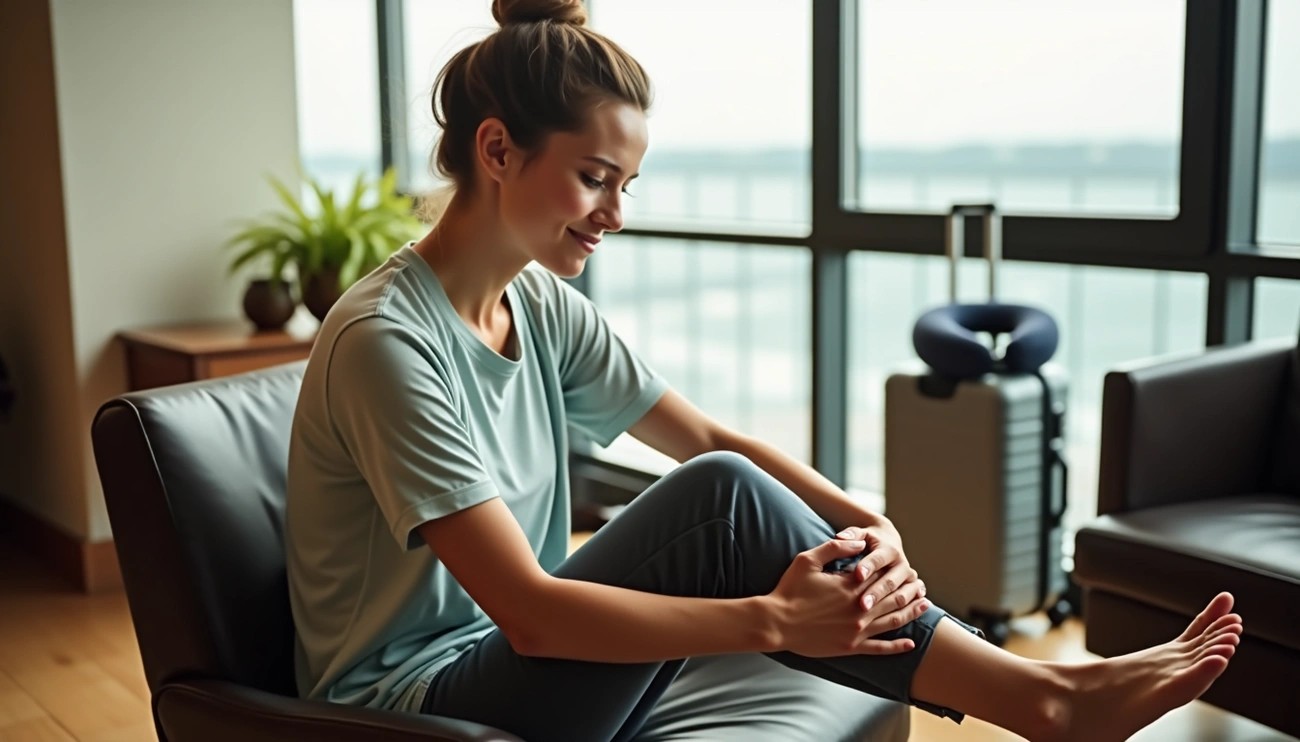
Your body has 650 skeletal muscles that need regular care, especially during travel. Massage isn't just a luxury for travelers - it's becoming a vital health habit for people who are always on the move.
Business trips, long flights, and learning about new destinations put stress on our bodies through constant movement and changing routines. Jet lag makes us feel groggy and disoriented, while sitting for long periods leaves our muscles tense and stiff. Self-massage techniques are a great way to get relief from these aches and pains—and stop them from getting worse.
You don't need to wait for a professional massage appointment. Learning self-massage techniques after traveling can give you quick relief. Simple self-massage practices can ease many travel-related problems, from plantar fasciitis under your feet to shin splints caused by increased activity. These techniques help with pain relief and improve blood circulation. They also create a deep state of relaxation.
This piece shares practical self-massage methods that will keep your adventures enjoyable and pain-free, especially if you plan to stay active in places like Dubai.
Gliding: The Best Way to Start Any Massage
Gliding massage, or effleurage, makes a perfect start to any self-massage routine. The technique gets its name from the French word "effleurer," which means "to touch lightly" – a fitting description of these smooth, flowing movements. The original design helps prepare your body for deeper work. These gentle strokes create instant calm that becomes especially valuable after long trips.
How to perform gliding strokes
The simplicity of gliding makes it beautiful. Find a position where you can easily reach your target area. You can apply some oil or lotion to reduce friction, but this isn't essential.
Use your palms and fingertips to make long, sweeping motions. Keep steady pressure while moving from your extremities toward your heart – this matches your body's natural circulation pattern. When you massage your legs, stroke upward from ankles to thighs, not the other way around.
Your hands should stay relaxed and connected to your skin throughout the movement. Press firmly enough to feel the muscles underneath but stay gentle enough to feel comfortable. These rhythmic movements will help your tension melt away.
Your back and shoulders need a slight change in technique. Make long strokes that follow your spine's natural curves. A foam roller can help you reach tough spots while keeping the gliding motion smooth.
When to use gliding during travel
Gliding massage works best during and after travel. This technique helps boost circulation that gets sluggish from sitting still on flights, trains or in cars.
Gliding serves three main purposes: it warms up muscles to prepare them for deeper massage, improves blood flow for better oxygen and nutrient delivery, and helps lymphatic movement so your body can clear waste naturally.
The mental benefits of gliding massage are just as important as the physical ones. The smooth, repetitive movements reduce stress hormones, calm your nervous system, and create deep relaxation. A few minutes of self-administered gliding strokes will leave you feeling lighter, calmer, and more centered – exactly what you need after a stressful travel day.
Add gliding massage to your travel routine in the morning to wake up tired muscles, after long sits to get your blood moving, or at night to help you sleep better. These gentle strokes will prepare your body for the deeper massage techniques we'll explore next.
Squeezing and Rolling: Releasing Tension in Limbs
After warming up your muscles with gliding strokes, petrissage—squeezing and rolling techniques—brings deeper relief to your travel-weary limbs. This massage technique targets deeper tissue layers and releases muscle tension that builds up during long periods of sitting.
Massage for travelers with tight legs
Your muscles become stiff and tight during long travel periods, especially in your legs. Your body stops activating unused muscles when you sit for extended periods, which leads to tightness and discomfort. Poor diet and insufficient hydration during travel can make cramping and aches worse.
Squeezing and rolling techniques work well to address these problems. Stiff and achy legs often result from cramped legroom during travel. Petrissage gives quick relief by breaking up muscular adhesions and boosting blood flow.
To perform a simple squeezing technique on your legs:
1. Find a comfortable seated position
2. Wrap your fingers around your ancle
3. Work upward towards your hip, squeezing the muscle with your fingers
4. Use your thumbs to apply additional pressure to tight spots
5. Continue around your entire leg and focus on areas that feel particularly tense
This technique increases flexibility, breaks down scar tissue, and speeds up healing by improving blood circulation to specific areas.
How to use this technique on arms and calves
Your calf muscles rank among the most active in your body and often get overused. They consist of two main muscles—the gastrocnemius (the outer diamond-shaped muscle) and the soleus (the deeper, more postural muscle).
To massage your calves, sit with your leg bent and foot flat on the ground. Press firmly with your thumbs in circular motions on any tight spots. Switch to using your knuckles if your thumbs get tired.
For deeper tension release, try the rolling technique:
· Grasp the muscle between your hands
· Roll it back and forth to loosen and lengthen the fibers
· Focus on tender areas, often called trigger points or knots
· Apply moderate pressure—firm enough to feel it working but not painful
The same principles apply to arms. Work from wrist to shoulder with squeezing motions. This helps circulation, which becomes especially important after long flights when poor circulation develops from keeping arms bent.
Work systematically and cover all muscle areas while gradually increasing pressure to reach deeper layers. This methodical approach helps you find all tension spots that might cause discomfort later in your travels.
Pressing and Compression: Deep Relief for Sore Spots
Pressing and compression techniques are the most effective forms of self-massage. These methods work perfectly to target those stubborn knots that show up after long travel days. Unlike other methods we discussed, compression needs direct, sustained pressure on specific muscle points without any sliding movements.
How to apply safe pressure
The right approach to compression massage should be methodical and controlled. This technique works by restricting blood flow to an area temporarily. Fresh, oxygenated blood rushes in once you release the pressure—this helps reduce inflammation and promotes healing.
To practise safe compression:
Find the tight or tender spot in your muscle
Use your thumbs, knuckles, or supported fingers to apply firm, steady pressure
The pressure should feel therapeutic (shoot for 6-7 on a pain scale of 10)
Take deep breaths and hold for 5-30 seconds
Let go gradually, then repeat if needed
Therapists call it "good pain" - the sensation should be intense but bearable. You're pressing too hard if you feel sharp pain or discomfort that stays after releasing the pressure
Best areas to target with pressing
Your body accumulates tension in specific areas during travel:
The upper and lower back get tight from sitting too long in planes and cars. A tennis ball between your back and a wall helps reach those tough spots.
Your neck and shoulders tense up from carrying heavy bags and sleeping awkwardly. Gentle pressure along your skull's base (the Feng Chi points) helps relieve those travel-related tension headaches.
The bottoms of your feet respond well to compression, especially after walking through airports or exploring new places all day.
Precautions to avoid overdoing it
Compression brings excellent relief, but you need to be careful. Never use this technique on recent injuries, broken skin, or broken bones. Stay away from pressing directly on:
The eye area
The front of the throat
Any pulse points
Lymph nodes
The sciatic nerve
Keep your hands relaxed while applying just enough pressure to feel therapeutic. You're doing it right if you can feel muscle layers beneath your fingertips. Deep breathing throughout the process helps your muscles release tension naturally.
These pressing and compression techniques give you powerful tools for your travel self-care routine. They help tackle those deep, persistent sore spots that might otherwise spoil your adventures.
Drumming and Tapping: Boosting Circulation on the Go
Tapping and drumming techniques give you a unique way to self-massage. These methods focus on stimulation rather than relaxation. Known as "tapotement" or percussion massage, this approach uses rapid, short pulses that go deep into soft tissues and create a rippling effect on the skin. Yes, it is exactly what your body needs after hours of travel fatigue.
How to energize your body with tapping
You can perform percussion massage easily and get remarkable results:
Use the sides of your hands to deliver quick, alternating taps to larger muscle groups like thighs and back
Apply fingertip tapping for smaller areas such as feet or around temples
Move systematically from one area to another, spending 20-30 seconds on each spot
Keep movements light and rhythmic—the goal is stimulation, not deep pressure
This technique boosts blood circulation naturally. It brings oxygen and nutrients to muscles and flushes out toxins. Travelers can recover faster from stiffness caused by long periods of sitting.
Tapping should energize you rather than relax you. The stimulating nature helps mental alertness. This makes it ideal to fight jet lag or midday travel fatigue.
When to use this technique during travel
Percussion massage helps in several travel scenarios:
Before activities: Tapping before sightseeing or activities warms up muscles and reduces injury risk. This helps especially before exploring destinations that need lots of walking.
After long periods of sitting: Take 5-10 minutes to tap legs and lower back after flights or car journeys. This restores proper circulation affected by staying still.
Fighting jet lag: A quick tapping session creates an immediate energy boost without caffeine when you need to stay awake until local bedtime.
Morning energy boost: Quick morning sessions help you feel invigorated for your travel day.
Note that percussion massage devices like portable massage guns can increase these benefits. They deliver contractions up to 30 times more powerful than manual techniques. In spite of that, your hands alone can give remarkably effective results.
Stay safe by avoiding taps over bony areas, the spine, kidneys, or the back of your knee. This simple yet powerful technique in your travel wellness toolkit helps maintain better energy levels throughout your experience.
Foot and Lower Back Massage: Travel Pain Relief Essentials
Your feet and lower back just need extra care when you travel. These parts work the hardest during exploration and often hurt after long days of walking around.
Self-massage for foot pain after walking
Your feet take constant pressure from walking during travels. This tennis ball technique gives quick relief:
Place a tennis ball under your foot while seated
Roll it from heel to toe, applying moderate pressure
Pause on tender spots, holding for 20-30 seconds
A comprehensive approach is to use your hands to do "toe bends." Pull each toe back and forth gently to improve flexibility. Make small circles between your toes next to ease tension.
Lower back massage using a wall or chair
Travel often brings lower back pain. This wall technique helps quickly:
Position a tennis ball between your lower back and a wall
Move your body gently to find tender areas
Apply pressure to these spots for 30 seconds each
Simple circles with your thumbs at your spine's base work well while seated. You can gradually move upward.
Massage for relaxation after long days
These techniques work best with heat after a full day of sightseeing. Capsaicin patches under your clothes provide soothing warmth that keeps muscles loose for hours. Gentle stretches before bed paired with massage improve recovery. You'll feel refreshed for tomorrow's adventures.
Quick Massage Routines for Travelers
Self-massage routines will save you time and money when compared to professional treatments. You can maintain your wellbeing whatever your travel schedule by combining these techniques into a simple routine.
5-minute full-body routine
This quick routine targets all major muscle groups effectively:
Start with 60 seconds of gliding strokes on your shoulders and arms
Take 90 seconds to squeeze and roll your leg muscles
Press firmly on sore spots for 60 seconds
Tap your limbs for 60 seconds to get your blood flowing
Roll your feet for 30 seconds with a water bottle or ball
Your muscles will stay healthy throughout your experience if you do this twice daily.
Massage for pain relief during travel
Discomfort can hit you mid-journey. Target-specific techniques work best in these situations. Your legs might cramp on flights, so gently knead your thigh muscles and rotate your ankles every two hours. When neck tension builds up, press firmly with your fingertips at your skull's base.
How to stay active and pain-free in Dubai
Muscle recovery becomes crucial in Dubai's warm climate. Keep a small massage ball handy for quick foot treatments between activities during your explorations. Regular self-massage and staying hydrated will prevent heat-related muscle fatigue. Your body will adapt better to temperature changes if you use these techniques after swimming or desert excursions - a common challenge in Dubai's varied environments.
Conclusion
Self-massage techniques can turn a painful trip into an enjoyable one. This piece explores ways to deal with common travel discomforts. Gliding strokes help prepare your muscles, while squeezing and rolling techniques work deep into tired limbs. Pressing and compression target stubborn knots, and drumming brings back circulation when you're feeling tired.
Your feet and lower back need extra care since they take most of the travel stress. Just five minutes focused on these areas can substantially reduce discomfort and boost mobility during your adventures. Quick routines fit naturally into packed schedules, so you can stay healthy without missing out on exploration time.
Note that self-massage isn't just a luxury - it's a vital self-care practise that keeps you energized and pain-free. These techniques work great whether you're bouncing back from a long flight, getting ready for sightseeing, or relaxing after lots of walking. So your body will appreciate this attention, and you can fully enjoy new experiences without physical limits.
Try these techniques at home before your next trip to get comfortable with them. You'll know exactly how to handle muscle tension when it shows up during travel. The best souvenirs are great memories—not aches and pains. Safe travels and happy massaging!
FAQs
Q1. How can I relieve muscle tension while traveling?
You can use self-massage techniques such as gliding strokes, squeezing and rolling, and pressing and compression. These methods help release tension, improve circulation, and provide relief for sore muscles during your journey.
Q2. What's a quick way to boost energy during travel?
Try drumming or tapping massage techniques. These rapid, short-duration pulses can help stimulate circulation, increase alertness, and provide an energy boost without caffeine, making them perfect for combating jet lag or midday fatigue.
Q3. How can I ease foot pain after a long day of sightseeing?
Use a tennis ball or water bottle to roll under your foot, applying moderate pressure from heel to toe. You can also gently pull and bend your toes to improve flexibility and make small circles between them to relieve tension.
Q4. What's a simple massage technique for lower back pain during travel?
Position a tennis ball between your lower back and a wall. Gently move your body to find tender areas and apply pressure to these spots for about 30 seconds each. This can provide quick relief for lower back discomfort often associated with travel.
Q5. Is there a quick full-body massage routine for Travelers?
Yes, try this 5-minute routine: 60 seconds of gliding strokes on shoulders and arms, 90 seconds squeezing and rolling leg muscles, 60 seconds of pressing on sore spots, 60 seconds of tapping limbs, and 30 seconds of foot rolling. Perform this twice daily to maintain muscle health during your trip.