



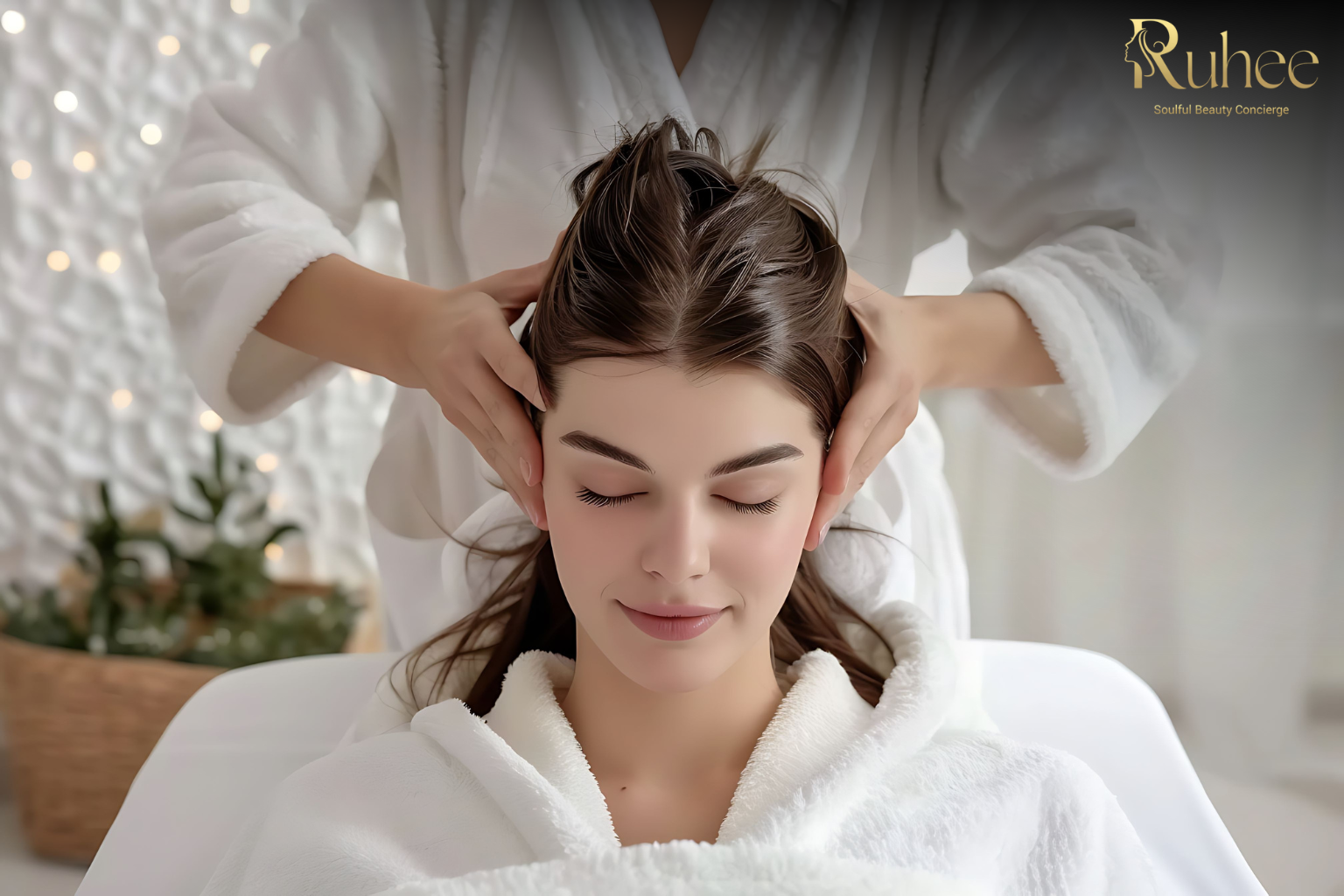
Your joints might ache as winter arrives. Winter massage therapy could be the perfect solution you need. Cold weather tightens muscles, limits circulation and worsens joint pain. Scientists haven't discovered a direct link between weather and joint pain, but changes in barometric pressure could make joints stiffer during winter months.
Our bodies react predictably to dropping temperatures. The cold reduces blood flow to joints and surrounding muscles that leads to stiffness and pain. Massage techniques boost blood circulation to affected areas, which helps people with arthritic or chronic conditions. Various therapeutic methods like Hot Stone Massage, Deep Tissue Massage, Reflexology, and Aromatherapy Massage target different aspects of winter discomfort. Research published in Pain Medicine shows that massage therapy substantially reduces arthritis symptoms, and early evidence indicates its effectiveness for arthritis pain in hands, wrists, and knees.
How Winter Affects Your Muscles and Joints
Your joints might feel extra stiff when the temperature drops. Winter doesn't just change the world outside - it affects our bodies too, especially our muscles and joints. You can find the right relief by knowing how these changes work.
Cold temperatures reduce flexibility
The winter cold makes your blood vessels squeeze tight. Blood moves toward your body's core to keep its temperature at 98.6°F. Your arms and legs get less blood because of this natural defense. When muscles and joints don't get enough oxygen-rich blood, they become stiff and tire quickly.
The cold weather also changes your joint's natural lubricant. This fluid gets thicker when it's cold, which makes movement harder and more uncomfortable. People who have arthritis feel these effects even more.
Changes in air pressure that come with cold weather might cause joint pain too. Your joint tissues can expand as the pressure drops, which puts extra stress on sensitive areas. That's why some people can feel storms coming in their bones before they arrive.
Inactivity leads to stiffness
People move much less during winter. Most of us stay inside and don't move around as much. This creates a tough cycle - pain makes you want to move less, but less movement makes the pain worse.
Less winter activity causes several problems:
Your muscles and bones get weaker
Joints become less flexible and don't move as well
Breathing capacity goes down
Weight gain puts more stress on your joints
Scientists have found that just two weeks of limited activity can make you lose muscle strength. Your joints also get less natural lubrication when you don't move, which adds to the stiffness and discomfort.
Seasonal stress and tension build-up
Winter brings its own kind of stress - holiday pressure, money worries, darker days, and seasonal blues. Your muscles and joints show these mental struggles in physical ways.
Your muscles tense up when you're stressed - it's your body's natural reaction. Your muscles stay tight during long periods of winter stress. This ongoing tension hits your shoulders, neck, and back the hardest, making joint problems even worse.
Stress changes how you feel pain too. Research shows that ongoing stress can make you more sensitive to pain. When you combine this increased sensitivity with actual muscle tension, you've got a recipe for winter discomfort.
Knowing these winter challenges helps explain why winter massage therapy works so well. Hot Stone Massage, Aromatherapy Massage, and Deep Tissue Massage are a great way to get relief. They help with both physical limitations and stress-related tension that winter brings to your muscles and joints.
Massage Therapy as a Winter Wellness Tool
Massage naturally counteracts winter's harsh effects on our bodies. Unlike medications that only mask symptoms, winter massage therapy targets the mechanisms of cold-weather discomfort through several healing processes.
Boosts circulation and joint mobility
Cold temperatures make blood vessels constrict, which reduces circulation and raises blood pressure. Skilled manipulation naturally opens these vessels and ensures better flow of oxygenated blood throughout your body. This improved circulation creates warmth from within and delivers vital nutrients to every tissue.
Regular massage sessions substantially improve vascular function, even if you have a sedentary lifestyle. The benefits become especially notable with joint conditions—a 2017 study showed that massage therapy improved life quality in patients with knee osteoarthritis and boosted their daily activities.
Reduces inflammation and muscle fatigue
Winter stiffness comes from inflammation around joints and overworked muscles. Massage therapy provides effective relief through several ways:
Gets lymphatic flow moving to fight infections and reduce swelling around painful joints
Helps tissues release toxins and excess fluids
Releases lactic acid buildup to reduce muscle fatigue
Loosens contracted muscles to decrease pressure on sensitive joints
In Dubai, experts from institutions like Medcare Physiotherapy say massage reduces muscle tension, enhances flexibility, and improves soft-tissue health. Benefits that are especially helpful when you’re indoors, commuting in traffic, or exposed to dry climate.
Supports mental well-being during colder months
Winter massage therapy provides more than physical relief, it supports mental health too. Research from the Touch Research Institute shows massage can lower cortisol (stress hormone) levels by up to 31% while increasing serotonin levels by 28%. These hormonal changes help curb the "winter blues" that many people experience from shorter days and limited sunlight.
The benefits go beyond mood improvement. Regular massage sessions activate your body's relaxation response, boost endorphin production, and improve energy levels. Massage provides natural relief to people who don't deal very well with Seasonal Affective Disorder by releasing "feel-good" chemicals that fight winter lethargy.
Massage therapy proves to be a vital winter wellness tool that addresses both physical discomfort and seasonal mental health challenges through these combined effects.
Top Massage Techniques for Winter Pain Relief
Winter pain relief just needs specialized massage techniques that deal with specific challenges during cold weather. Here are four powerful approaches that target cold weather discomfort right at its source.
Hot Stone Massage for soothing heat therapy
Hot stone massage practitioners use smooth, heated basalt stones (typically warmed to 130-145 degrees) along your spine, stomach, chest, face, palms, feet, and toes. This technique helps tremendously during winter months because the penetrating heat warms muscles from within and improves flexibility and range of motion.
The warmth naturally opens up blood vessels and improves circulation in areas that cold temperatures have constricted. Therapists use these heated stones as extensions of their hands and incorporate traditional Swedish massage movements like long strokes, circular motions, and kneading. This combination releases tension and encourages better blood flow while delivering nutrients to stiff joints.
Deep Tissue Massage for deep muscle knots
Cold weather often creates stubborn muscle knots that regular massage techniques can't handle. Deep tissue massage targets deeper muscle layers with firm pressure and slower strokes to address these challenging areas. This technique works especially well for chronic tension and pain that gets worse during colder months.
Deep tissue massage becomes skilled at breaking up adhesions (muscle knots) through direct pressure and friction. Your body gets more oxygen delivered to affected tissues while releasing lactic acid buildup, which triggers its natural healing response.
Reflexology for targeted pressure point relief
Reflexology uses varying pressure on specific points of your feet, hands, and outer ears that connect to different organs and body systems. This method stimulates reflex points linked to painful joints and muscles.
Reflexology helps boost circulation around affected joints during winter and might reduce inflammation through better blood flow. The technique encourages your body to release endorphins—its natural painkillers—which provides relief without medication.
Aromatherapy Massage for calming the nervous system
Aromatherapy massage blends therapeutic touch with carefully chosen essential oils that work with your limbic system (which controls emotions). Eucalyptus and peppermint oils help relieve muscle pain effectively, while lavender and chamomile reduce stress hormones.
This technique proves valuable during winter because certain oils have warming properties that boost circulation. Your blood flow improves with warming oils like cinnamon and ginger, which fights against cold weather's circulation-reducing effects.
Combining Massage
A powerful winter wellness strategy combines massage techniques with other health practices. This combination makes each therapy work better and helps the benefits last longer.
Heat therapy works wonders with massage. Adding warm towels or hot stones to your massage sessions creates a more relaxing experience that melts away muscle tension. Warm baths between professional sessions work great with massage therapy and keep your muscles relaxed and joints flexible.
Your body needs movement, especially during winter's lazy days. Just 5-10 minutes of stretching through yoga or pilates will boost your flexibility and lower your chances of muscle cramps. Athletes who enjoy winter sports should pair sports massage or deep tissue work with regular stretching. This prepares their muscles for activity and speeds up recovery afterward.
Good nutrition and hydration help you get the most from your massage by:
Supporting tissue healing and recovery
Helping flush toxins released during massage
Maintaining joint lubrication and flexibility
Research shows massage's amazing effects on your mind - it cuts cortisol levels by 31% and boosts serotonin by 28%. Adding mindfulness practices or meditation to your massage routine creates an all-encompassing approach to physical and mental winter wellness.
Foam rollers or massage balls are a great way to get relief between professional sessions. These self-massage tools help you feel better even on the coldest days.
FAQs
Q1. How can I alleviate muscle pain caused by cold weather?
To relieve muscle pain from cold weather, try applying warm compresses or heat packs to affected areas. Gentle stretching exercises can also help loosen tight muscles and improve flexibility. Additionally, consider getting a massage, particularly techniques like hot stone or deep tissue, which can enhance circulation and reduce muscle tension.
Q2. Why do my muscles and joints ache more during winter?
Cold temperatures can cause blood vessels to constrict, reducing blood flow to muscles and joints. This decreased circulation can lead to stiffness and pain. Additionally, changes in barometric pressure may cause tissues to expand, potentially increasing discomfort in joints affected by conditions like arthritis.
Q3. Which massage technique is most effective for joint stiffness?
While various massage techniques can help with joint stiffness, hot stone massage is particularly effective during winter. The heat from the stones helps warm muscles and joints from within, improving flexibility and range of motion. Deep tissue massage can also be beneficial for targeting deeper muscle layers and releasing tension around stiff joints.
Q4. What causes increased body stiffness in winter?
Increased body stiffness in winter is often due to a combination of factors. Cold temperatures cause muscles to tense up, reducing mobility and flexibility in joints. Decreased physical activity during winter months can also contribute to stiffness. Furthermore, the cold can affect synovial fluid in joints, making them less flexible and more prone to discomfort.
Q5. How can massage therapy support overall winter wellness?
Massage therapy supports winter wellness by enhancing circulation, reducing inflammation, and alleviating muscle fatigue. It also helps combat the "winter blues" by reducing stress hormones and boosting mood-enhancing chemicals in the body. Regular massage sessions can improve joint mobility, decrease pain, and provide both physical and mental relaxation during the colder months.