



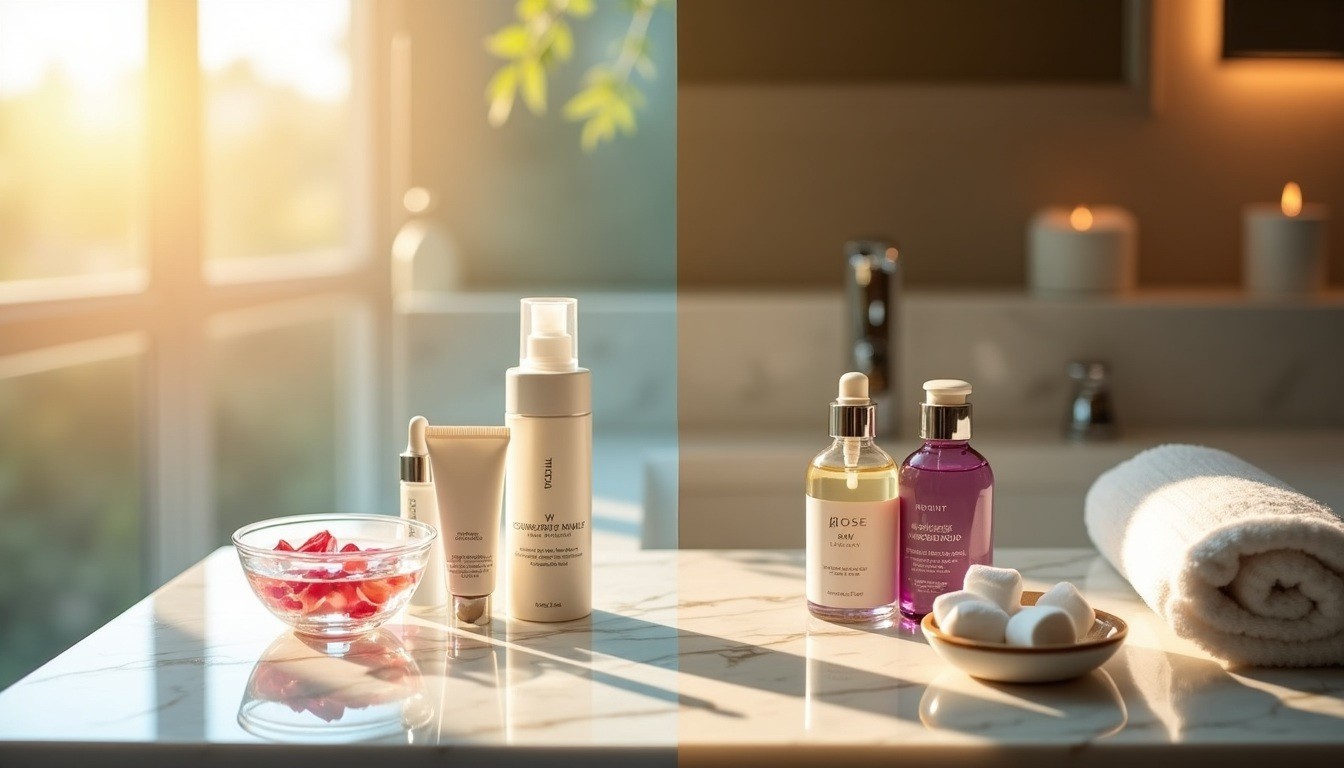
Your morning and evening skincare routines work differently. Morning routines shield your skin from upcoming challenges. Night routines help repair the damage caused by dirt, pollution, and UV rays that build up during the day.
Great skin health comes from understanding these unique roles. Your skin needs both morning and evening care to fight aging and environmental damage effectively. Daytime protection requires broad-spectrum SPF 30 or higher to block harmful UV rays. Nighttime lets your skin absorb moisture better and repair itself naturally. This detailed guide gets into both routines and helps you learn about which routine works best for your skin's needs and how to boost their benefits.
The Science Behind Skin's Day and Night Cycles
Your skin follows its own biological clock that works differently throughout the day and night. This natural rhythm decides when specific skin processes happen and how well your skin responds to products you apply at different times.
How your skin functions differently during the day
Your skin switches to defense mode during daylight hours. It focuses on protecting you from environmental threats like UV radiation, pollution, and harsh weather instead of repairing itself. This protective behavior should shape how you plan your morning skincare routine.
Oil production increases by a lot throughout the morning and reaches its peak around midday. This natural oil shields you from external elements, though people with oily skin might notice extra shine. Your cortisol levels also rise in the morning, which can cause more inflammation and redness.
Your skin's barrier works differently during daylight hours. The epidermis cells build a stronger barrier in the afternoon compared to early morning. Your morning skincare routine should focus on building this natural defense with ingredients that guard against environmental damage.
Your skin's temperature and pH levels change throughout the day. Skin stays cooler during daytime and maintains a more acidic pH to help curb harmful free radicals. These body changes explain why antioxidants work best when you apply them in your morning routine.
Nighttime regeneration and repair processes
Your skin switches from protection to repair mode as evening comes. Cell regeneration speeds up—skin cells renew three times faster while you sleep than during the day. This nighttime renewal explains why a regular night skincare routine shows visible results.
The most intensive repair happens between 11 PM and 6 AM. During this vital window, your skin goes through two important phases:
1. From 9 PM to 11 PM: Better absorption of nutrients
2. From 11 PM to 6 AM: Cell regeneration and replacement of dead cells
DNA repair reaches its peak at night, specifically between 10 PM and 2 AM. This shows why lack of sleep quickly shows up as skin problems—you interrupt your skin's natural repair cycle. Research shows that oxidative damage follows a daily pattern, with DNA repair working hardest in early morning hours.
Blood flow to your skin increases at night, bringing more oxygen and nutrients. Your skin becomes more permeable in the evening, letting active ingredients sink in better—making your nighttime skincare steps more effective.
The impact of circadian rhythm on skin health
Your skin's circadian rhythm—its daily biological clock—controls many functions including cell renewal, hydration levels, and barrier strength. This internal timer regulates genes that intervene in skin stem cell metabolism, DNA repair, and immunity.
Water loss through skin (TEWL) increases at night because of reduced barrier function, which explains why skin often feels drier in the morning. Your skin temperature rises during sleep to release heat from your body's core. These changes show why rich moisturizers play a vital role in any night skincare routine.
Research shows that cell division peaks dramatically between 11 PM and midnight. DNA synthesis reaches its highest point around 3:30 PM, while actual cell division peaks near 11:30 PM. These specific timings demonstrate why matching your morning and evening skincare routines to your skin's natural rhythm gives the best results.
Irregular sleep patterns or shift work can affect your skin health by a lot. Studies prove that disrupted circadian rhythms lead to inflammatory skin conditions, weakened barrier function, and faster aging. Regular sleep habits matter as much as your morning versus night skincare routines.
Morning Skin Care Routine Steps and Their Purpose
Your morning skincare routine's success depends on how well you address your skin's daytime needs. Morning routines create a protective barrier against daily stressors and prepare your skin for environmental challenges, unlike evening care that focuses on repair.
Gentle cleansing to remove overnight buildup
A proper cleanse lays the foundation for your entire morning routine. Your skin collects sweat, oil, and bacteria on its surface during the night. Morning face washing removes these impurities and prevents clogged pores that could cause breakouts.
Your morning cleanser serves multiple purposes. It removes skincare ingredients from your nighttime routine, like retinol or glycolic acid, and creates a clean canvas for daytime products. The American Academy of Dermatology suggests washing your face in the morning, before bed, and after sweating—whatever your skin type.
You should pick a pH-balanced formula that cleans without stripping natural oils for morning cleansing. Cream-based cleansers work well for sensitive skin because they hydrate while cleaning. Gel-based formulas with ingredients like salicylic acid help control excess oil and are great for oily or acne-prone skin.
Antioxidant protection against environmental damage
Antioxidant serum becomes your second defense line after cleansing. These powerful ingredients protect your skin against free radical damage from UV exposure, pollution, and environmental toxins. They neutralize reactive oxygen species that can damage cell DNA.
Vitamin C is a morning essential. This antioxidant helps brighten skin, improve discoloration, and supports collagen production. Look for formulations that combine vitamin C with vitamin E and ferulic acid because these ingredients boost each other's protective abilities.
Dermatologists suggest using antioxidants in your morning routine to protect throughout the day. Antioxidants are a great way to get anti-inflammatory benefits and help reduce redness and calm irritated skin.
Hydration and moisture barrier support
Good morning hydration helps your skin retain moisture all day. Skin becomes more prone to irritation, flakiness, and dullness without proper hydration. A quality moisturizer creates a protective barrier that locks in hydration while delivering ingredients to keep people fed.
Your moisturizer should contain humectants like hyaluronic acid that draws water into the skin, along with ceramides that strengthen skin's natural moisture barrier. Don't skip this step even with oily skin—just choose lightweight, oil-free formulations instead.
Morning hydration helps your skin stay resilient against environmental stressors. Well-hydrated skin shows better cell turnover and slower aging effects.
Sun protection as non-negotiable defense
Sunscreen application is the last but most vital step in any morning routine. Dermatologists agree that sunscreen is the foundation of your skincare routine. Sun damage is the biggest problem behind premature aging, and regular sunscreen use substantially reduces skin cancer risk.
The American Academy of Dermatology Association recommends broad-spectrum, water-resistant sunscreen with SPF 30 or higher. You need to reapply every two hours, especially when swimming or sweating heavily.
Sunscreen remains necessary even indoors or near windows because UV rays can penetrate glass and continue damaging skin. People using products with alpha hydroxy acids (AHAs) need sunscreen even more since these ingredients increase UV sensitivity.
Note that cleansing, moisturizing, and sun protection are the foundations of any effective morning routine. Everything else boosts these core steps.
Night Skin Care Routine Steps for Optimal Recovery
Your skin gets a perfect chance to recover and renew at night, which makes your evening skincare routine vital for healthy skin. Your skin works hard to repair daily damage while you sleep. A well-laid-out night skincare routine supports these natural processes and improves regeneration results.
Full cleansing to remove daily pollutants
Every effective night skincare routine starts with proper cleansing. Your skin faces many environmental stressors daily. These range from outdoor pollution to free radical damage that can overwhelm its natural repair functions. Double cleansing works best at night, especially when you have to remove built-up impurities.
Start with an oil-based cleanser that dissolves makeup, sunscreen, and excess sebum. A water-based formula should follow to remove leftover dirt and pollutants. This two-step method will give a clean slate by removing daily buildup that might clog pores and slow down overnight skin recovery.
Active ingredients that work best at night
Night is the best time to apply potent active ingredients because your skin switches to recovery mode. Blood flow increases to deliver nutrients and oxygen. Cell regeneration speeds up during sleep, so this is the perfect time for repair-focused ingredients.
Retinol is a nighttime must-have. This vitamin A derivative boosts cell turnover and collagen production. It helps reduce fine lines and prevents breakouts. Night application works best since retinol makes skin more sensitive to sun.
Niacinamide calms skin and reduces water loss while boosting moisture in the skin's top layer. Peptides boost collagen production to improve aging skin.
Glycolic acid helps renew and resurface skin overnight for better exfoliation.
Deep hydration for overnight repair
Night moisturizing is key because skin loses water substantially during sleep. Sebum production also slows down at night, which can leave skin drier by morning.
Pick formulas with hyaluronic acid, ceramides, and shea butter. These ingredients lock in moisture and strengthen your skin's protective barrier. They provide deep hydration while supporting natural repair processes.
A facial oil can be the final step in your night skincare routine to get better recovery benefits. Oil-based products create a protective layer that stops moisture loss and helps active ingredients work better. People often call this technique "slugging" - it's become popular to curb dryness.
Which Routine Delivers More Biological Benefits
The biological benefits of morning versus night skincare routines spark interesting debates. Each serves a unique purpose in maintaining skin health.
The case for morning: prevention vs treatment
Morning routines focus on protection. They create a shield against environmental damage throughout the day. The American Academy of Dermatology calls daily sunscreen application "the closest thing we have to a fountain of youth" that slows down skin aging. This shield becomes your skin's first line of defense.
Morning routines help minimize damage before it happens. Antioxidants work hard to neutralize free radicals from pollution and UV exposure during daylight hours. Research shows that antioxidants like Vitamin C give maximum protection when you apply them in the morning.
Your morning routine acts like a smart investment. Preventing damage takes nowhere near as much biological energy as fixing it later. A dermatologist puts it simply: "When it comes to anti-aging skincare, prevention is always better than cure".
The case for night: improved absorption and repair
Night skincare brings powerful biological advantages through better absorption and cell repair. Your skin becomes more permeable at night, which lets active ingredients sink deeper. This improved absorption happens right when your skin starts its natural repair cycle.
Biological repair reaches its peak between 11 PM and midnight as cell division hits maximum levels. Your skin makes new cells all night and fixes daytime damage.
Night hours help ingredients like retinol work better. Studies show that retinal (with an "a") changes to its active form faster at night, which makes your path to smoother skin more direct.
What dermatologists say about routine importance
Dermatologists believe both routines play vital yet complementary roles. Many say the nighttime routine might give slightly better biological benefits because skin absorbs active ingredients better then.
The American Academy of Dermatology suggests sticking to both morning and evening routines. These routines work together to keep your skin healthy. Dermatologists stress that you need both routines. Protection without repair or repair without protection doesn't give complete skincare benefits.
Your skin concerns determine each routine's value. People focused on anti-aging might benefit more from nighttime repair. Those fighting dark spots or living in polluted areas could see better results from strong morning protection.
How to Maximize Results from Both Routines
Your morning and evening skincare routines work best when you understand how products interact with your skin's changing needs. The right product combinations and timing can help you get the most out of your skincare steps, both day and night.
Collaborative product combinations
Some ingredients create better results when used together than alone. A combination of vitamin C with vitamin E and ferulic acid gives you twice the sun protection compared to using these ingredients on their own. This powerful trio works best in morning routines to curb environmental damage.
Nighttime applications work well with retinol and hyaluronic acid together—retinol helps cell turnover while hyaluronic acid helps prevent dryness. Niacinamide works well with retinoids by helping reduce the irritation that often comes with retinol use.
Your routine should keep vitamin C and retinol separate—vitamin C belongs in the morning, while retinoids work better at night. You should also avoid using glycolic acid with retinol on the same day because it might irritate your skin too much.
Product application timing
The way you layer products substantially affects how well they work. Start with lighter products and move up to thicker ones. This approach helps your skin absorb active ingredients properly.
Water-based products should go on first, then oil-based ones. To name just one example, use toners before serums, then moisturizers. Sunscreen must be the last step in morning routines to create a proper protective barrier.
Your skin absorbs products best between 9 PM and 11 PM, making this the ideal time to apply your strongest active ingredients. Cell regeneration speeds up between 11 PM and 6 AM, which makes repair-focused products more effective when applied before bed.
Seasonal routine adjustments
Your skin needs different care as seasons change. Winter calls for thicker moisturizers because the air gets drier—creams give better protection for hydration. Your hands need early moisturizing to stay soft during cold months.
Summer usually needs lighter products as humidity rises and skin gets oilier. Warm weather makes daily cleansing and exfoliating important to stop breakouts and blackheads. Sun protection matters whatever the season—children and adults should use sunscreen before going outside, even in winter.
Watch how your skin reacts between seasons. Look for signs like dryness, too much oil, or sensitivity—these tell you it's time to switch products. Small seasonal changes help keep your skin balanced and protected all year.
Conclusion
Your skin needs different care at different times of the day. Morning routines shield your skin against environmental damage, and night routines help your skin repair itself naturally. Research shows both routines matter equally and work together to keep your skin healthy.
Your skin follows a daily rhythm, and knowing this helps you get the most from your skincare routine. Protect your skin during the day with antioxidants and sunscreen. Let it repair at night with active ingredients for a detailed approach to skin health. This strategy works best when you adjust it with the seasons and use products that complement each other.
The best way to care for your skin combines daily morning protection with nightly repair treatments. Don't choose between the two - build habits that support both. Your skin stays healthy when you work with its natural cycle by protecting it during daytime and helping it repair at night.
FAQs
Q1. Is a morning or evening skincare routine more crucial for skin health?
Both routines are essential, serving different purposes. Morning routines focus on protection against environmental damage, while evening routines support the skin's natural repair processes. A combination of both is ideal for maintaining optimal skin health.
Q2. What are the key benefits of a morning skincare routine?
A morning skincare routine prepares and defends your skin for the day ahead. It helps protect against UV damage, pollution, and other environmental stressors. Key steps include cleansing, applying antioxidants, moisturizing, and using sunscreen to maintain a healthy complexion.
Q3. Why is a nighttime skincare routine important?
Nighttime skincare is crucial because it supports the skin's natural repair and regeneration processes. During sleep, skin cells renew faster, and the skin becomes more permeable, allowing for better absorption of active ingredients. This routine helps prevent premature aging and promotes overall skin health.
Q4. How should I adjust my skincare routine for different seasons?
Seasonal changes affect your skin's needs. In winter, use richer moisturizers to combat dryness. In summer, opt for lighter formulations and increase cleansing to manage excess oil. Regardless of the season, always maintain sun protection in your routine.
Q5. What are some effective product combinations for skincare routines?
For morning routines, combining vitamin C with vitamin E and ferulic acid enhances photoprotection. In evening routines, pairing retinol with hyaluronic acid can promote cell turnover while maintaining hydration. Always apply products from lightest to heaviest consistency for optimal absorption.