


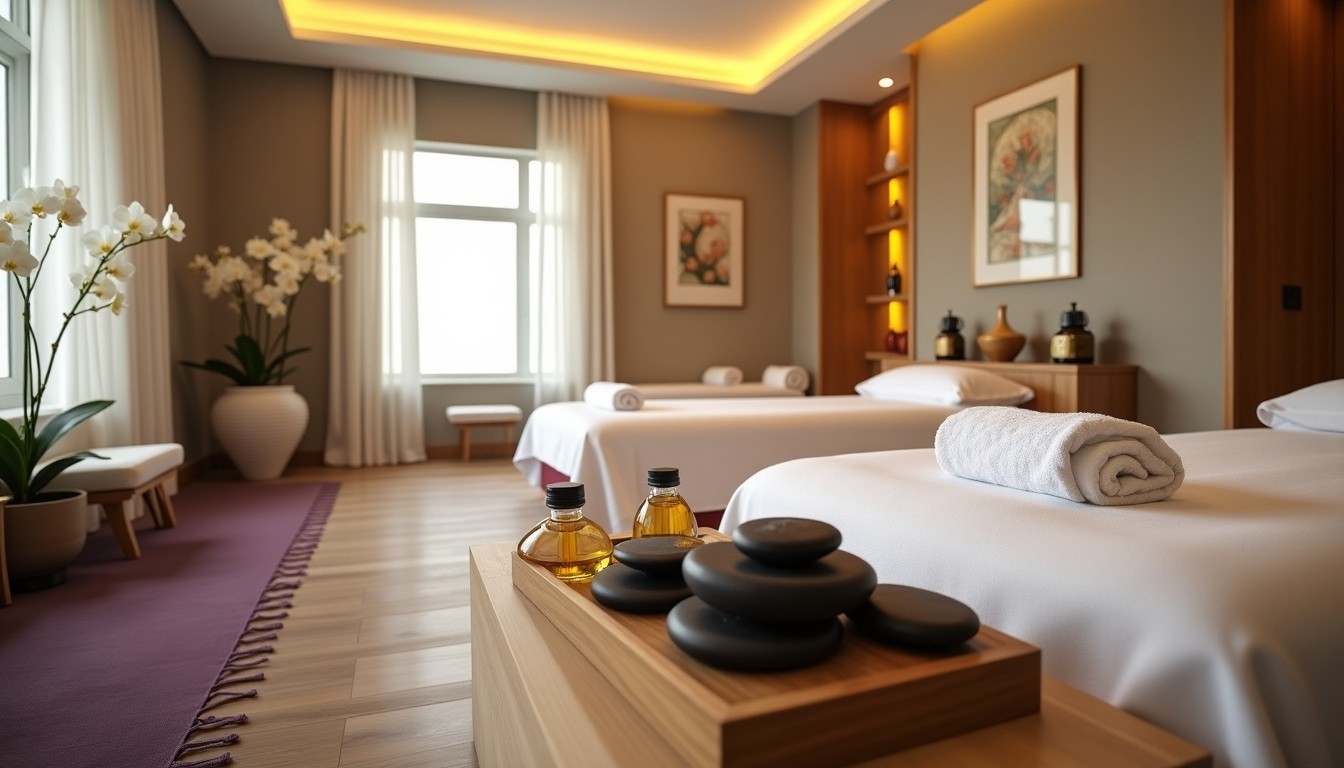
Dubai's massage scene features more than 20 different therapeutic treatments. Swedish massage tops the popularity charts worldwide, while Dubai blends traditional and modern techniques to create a unique wellness experience.
Each massage treatment serves its own purpose. Swedish massage uses gentle strokes, and Thai massage practitioners work on floor mats with dynamic movements. Therapists apply firm pressure in deep tissue massage to target chronic tension. Carefully heated basalt stones at precise temperatures between 120- 140°F are a great way to get deeper relaxation in hot stone treatments. Dubai's massage offerings meet every wellness need - from stress relief through aromatherapy to improved circulation with reflexology.
This piece reveals everything in Dubai's massage culture. You'll learn how to pick the right treatment, understand spa etiquette, and maximize value from luxury services.
The Hidden World of Dubai Massage Types
Dubai's massage scene goes far beyond fancy brochures and spa menus. The city offers a remarkable blend of ancient healing wisdom and modern luxury treatments that you won't find anywhere else in the world.
Traditional vs. modern techniques
The difference between traditional and modern massage approaches in Dubai isn't just about when they started. Traditional massage techniques are part of complete healing systems like Traditional Chinese Medicine, Indian Ayurveda, or Thai bodywork. These methods work on your body, mind, and emotions all at once.
Western techniques take a different path. They focus on physical relaxation and muscle problems. The Swedish massage, which started in the 19th century but we still call "modern," aims at physical relaxation rather than balancing energy.
Dubai stands out because it mixes these approaches beautifully. A typical session might include:
Acupressure points from Eastern traditions
Long, flowing strokes from Swedish massage
Stretching movements inspired by Thai techniques
Aromatherapy elements from Western practice
This mix creates treatments that respect old wisdom while giving people the quick relief they want today.
How Dubai's luxury standards shape massage experiences
Dubai's love for luxury has changed how massage services work across the city. Traditional treatments have reached new levels of sophistication and exclusivity. Local spas add luxury touches to traditional methods. They use high-end aromatic oils, create stunning environments, and hire expert specialists.
Dubai's push for excellence has led to new treatments you can't get elsewhere.
Cultural fusion in massage practices
Dubai's mix of cultures has created something special in massage practices. People from all over the world have brought their healing traditions here.
You can see this cultural blend clearly in areas like Al Barsha. Eastern practices like Shiatsu and Ayurveda sit next to Western techniques like sports massage and myofascial release.
Balinese massage has also become popular in Dubai. It's quite different from Thai massage. Balinese methods use acupressure, light stroking, and essential oils to boost circulation and nourish skin.
Dubai's massage scene reflects its role as a global meeting point. The city honors different traditions while creating new experiences for international visitors. This unique mix makes Dubai's wellness offerings truly one of a kind.
What Therapists Won't Tell You About Swedish and Deep Tissue
Most massage clients in Dubai book Swedish or deep tissue treatments without knowing the significant differences between them. Behind the soothing music and aromatic oils lies a science that determines if your session will give you results or leave you disappointed.
The real difference between Swedish and deep tissue
Swedish and deep tissue massages aren't just about different pressure levels, despite what many think. Swedish massage focuses on relaxation with gentle, long strokes that work mainly on surface muscles. It's one of the most popular types of massage therapy around the world.
Deep tissue massage, on the other hand, works on deeper layers of muscles and connective tissues using slow, targeted pressure. This method helps break up scar tissue and eases tension by applying sustained pressure that goes beyond the surface layers.
The real difference lies in what they're meant to do. Swedish massage is great at helping you relax, ease stress, and get general pain relief. Deep tissue massage targets specific issues like chronic muscle problems, sports injuries, and stubborn muscle knots.
You should pick Swedish massage if you want to relax and feel less stressed without much discomfort. But deep tissue techniques will work better if you need relief from chronic pain or specific muscle tension.
When to avoid deep pressure (despite what's recommended)
Deep tissue massage isn't right for everyone, whatever people might recommend. Even if therapists suggest deep pressure for lasting pain, you should stay away from this technique if you have:
Blood clotting disorders or take blood thinners
Recent surgery or ongoing chemotherapy
Osteoporosis or cancer that has spread to bones
Pregnancy (especially first trimester)
Active wounds, rashes, or skin infections
People with nerve injuries, hernias, or older adults need to be careful too. Too much pressure might cause breaks in weak bones or move blood clots in people at risk.
Pregnant women should skip deep tissue massage unless their doctor gives the go-ahead. Swedish massage offers a safer option that reduces the risk of pregnancy complications.
How therapists adjust techniques for Dubai's clientele
Dubai's diverse culture has changed how massage therapists work. Local therapists must respect cultural sensitivities while following Dubai Municipality's strict health and safety rules.
Dubai's focus on luxury has raised the bar for massage practices. Therapists blend advanced techniques and create personal treatment plans after detailed consultations. This personalization helps clients get the right amount of pressure based on their needs instead of a one-size-fits-all approach.
Luxury spas in Dubai see therapists modify traditional Swedish and deep tissue techniques to match what international clients expect. They often combine aromatherapy with Swedish massage or add sports therapy elements to deep tissue work.
Therapists in Dubai also change their communication style and pressure based on cultural priorities. They understand that pain tolerance and comfort with therapist-client communication varies among cultures, so they adapt their approach to make sure clients leave satisfied.
The Truth About Thai and Balinese Massage in Dubai
Thai and Balinese massages are becoming popular wellness treatments in Dubai. Beyond the calm spa music and sweet-smelling oils lies a reality that most spas don't share with their clients.
Authentic vs. modified versions for tourists
The real Thai massage, with its 2,500-year history, looks nothing like what tourists get in Dubai. Authentic Thai massage uses no oils or lotions. The client stays fully clothed on a floor mat. Dubai spas have changed these practices by a lot to match what Western clients want and expect.
Here's what sets authentic and tourist-focused versions apart:
Traditional Thai massage works on energy lines called "Sen" through pressure and stretching to help energy flow better
Modified versions now use oils (even though they never did before) and often happen on massage tables instead of floor mats
Authentic techniques mix yoga-like stretches with acupressure
Tourist adaptations use gentler stretches and focus on relaxation more than healing
Why Balinese techniques are gaining popularity
Balinese massage has grown into one of Dubai's top therapy choices and now shows up in luxury spas across the city. This Indonesian style is different from Thai massage in both method and feel.
While Thai massage uses dynamic movements, Balinese massage offers a complete body treatment that mixes gentle stretches, acupressure, reflexology, and aromatherapy. It gets blood flowing better, brings more oxygen, and helps energy move while making you feel deeply relaxed.
Balinese massage has gotten so popular in Dubai because:
People like its gentler approach when they want to relax without the sometimes uncomfortable stretching of Thai massage. It uses long strokes, kneading, and sweet-smelling oils that most people find soothing right away.
The massage works great for stress relief, which fits perfectly with Dubai's high-pressure work life. The mix of gentle pressure and aromatic oils creates an experience that eases both physical and mental tension.
Its flexibility adds to its appeal. Balinese massage helps loosen tight muscles, improves blood flow, and makes you more flexible – all while giving you deep relaxation that works for both first-timers and regular spa visitors.
The Unspoken Rules of Dubai Massage Etiquette
Dubai's unwritten rules of massage etiquette can challenge even seasoned spa-goers. Cultural nuances like gender segregation and communication protocols will give a smooth experience in this unique wellness setting.
Tipping customs most tourists don't know
Tourists often miss the specific tipping patterns for massage services in Dubai. Short treatments deserve AED 5-10, while longer sessions need 10-15% of the total cost. Upscale spas usually include service charges in their prices. Extra tips remain optional but staff appreciate them for outstanding service.
Communication guidelines with multicultural therapists
Cultural awareness helps you connect with Dubai's diverse massage therapists. Tell them your priorities about pressure, problem areas, and techniques before your session. Set clear boundaries by showing areas they should avoid during treatment.
Body language becomes your friend when language barriers exist. Watch your therapist's signals since eye contact and personal space vary in different cultures.
Gender considerations in conservative vs. western-oriented spas
Gender rules form the backbone of Dubai's massage regulations. Most centers serve only one gender, with staff matching clients' gender (male therapists for male clients, female for female).
Mixed-gender spas need separate entrances and reception areas. The doors between men's and women's sections stay locked always. Every spa must display signs in Arabic and English that state they don't provide medical services.
Booking tactics for the best therapists
Getting time with premier therapists needs planning ahead. Luxury spots like Four Seasons want early bookings to save your preferred times. Strict rules apply to cancelations—you need 12 hours' notice to avoid paying full price.
Conclusion
Dubai shines as a wellness hub that blends ancient healing wisdom with modern luxury. Swedish massage remains a favorite across the globe, but the city takes a unique path. It blends time-tested methods with premium services to create treatments you won't find elsewhere.
Knowing the differences between massage types helps people pick what works best for them. Swedish massage works great for those who want gentle relaxation. Deep tissue massage targets chronic pain effectively. Thai massage excels at therapeutic stretching, while Balinese methods heal through aromatherapy and gentle pressure.
This city's rich mix of cultures influences its entire massage scene. From therapist training to spa customs, everything reflects this diversity. Top spas follow strict rules and employ qualified experts who respect cultural differences. These elements come together to create a unique wellness experience that attracts people worldwide.
Smart visitors who know Dubai's massage culture can make the most of their visit. Understanding tipping customs and gender considerations helps greatly. Knowledge about genuine techniques, costs, and booking tips gives you the tools to enjoy your therapy session in one of the world's most luxurious spa destinations.
FAQs
Q1. What are the most popular types of massage in Dubai?
The most popular massage types in Dubai include Swedish massage for relaxation, deep tissue massage for muscle tension relief, Thai massage for stretching and energy flow, aromatherapy massage for stress reduction, and hot stone massage for soothing warmth and improved circulation.
Q2. How do Dubai's massage practices differ from other places?
Dubai's massage scene uniquely blends traditional and modern techniques, incorporating luxury elements and cultural fusion. Therapists often combine Eastern and Western approaches, creating signature treatments that reflect Dubai's multicultural environment and high standards for premium experiences.
Q3. What should I know about massage etiquette in Dubai?
In Dubai, it's important to be aware of gender segregation policies, tipping customs, and communication guidelines with multicultural therapists. Many spas have separate facilities for men and women, and it's advisable to clearly express your preferences and boundaries before the treatment begins.
Q4. Are there any hidden costs in Dubai's luxury spa treatments?
Luxury spas in Dubai often have significant markups on specialty treatments compared to standard massages. While some add-ons provide genuine value, others may not justify the extra cost. VIP treatments and customized experiences are available but may not be listed on standard menus.
Q5. How can I ensure I'm getting an authentic massage experience in Dubai?
To ensure an authentic experience, research the spa's credentials and therapist qualifications. For specific techniques like Thai massage, verify that therapists received training in the country of origin. Additionally, consider booking at established luxury hotels or reputable wellness centers known for maintaining high standards.